Cracked or Fractured Pipe Walls
Ground settling, freeze-thaw cycles, and heavy vehicle traffic over driveways fracture brittle clay tile and aged cast iron sewer pipes.
Replacing a broken underground sewer line no longer requires destroying your manicured lawn, paved driveway, or stone front porch. Call Lancaster Rapid Plumbing at (717) 750-0500 to discuss advanced no-dig trenchless sewer repair, CIPP pipe lining, and pipe bursting solutions in Lancaster, Pennsylvania.
Clay, Orangeburg, and older cast iron sewer laterals across Lancaster County eventually degrade under soil pressure and root invasion.
Ground settling, freeze-thaw cycles, and heavy vehicle traffic over driveways fracture brittle clay tile and aged cast iron sewer pipes.
Tree roots seek moisture through microscopic joint mortar gaps. CIPP epoxy lining creates a 100% seamless joint-free pipe that roots cannot penetrate.
Acidic wastewater flowing along the invert (bottom) of older cast iron sewer pipes eats away the metal over 50 years, leaving an open trough into the soil.
Shifting Pennsylvania soils cause pipe segments to shift out of alignment, creating jagged ledges that snag solid waste and cause repeated backups.
Traditional excavation requires jackhammering concrete driveways, destroying brick paver walkways, or underpinning historic front porches at massive cost.
Wastewater escaping from cracked sewer lateral lines washes away subsurface soil, creating spongy lawn depressions and foul-smelling yard puddles.
Trenchless sewer rehabilitation eliminates destructive open-cut trenches by using your existing pipe as a host channel. Depending on your pipe's condition, technicians employ one of two proven trenchless methods:
CIPP (Cured-In-Place Pipe Lining): A flexible epoxy-saturated felt tube is inverted into the damaged pipe from a single cleanout access point. Using air or hot water, the liner inflates tightly against the host pipe walls and cures into a rock-hard, seamless structural sleeve that withstands root intrusion and chemical corrosion for 50+ years.
Pipe Bursting: If an old clay or cast iron pipe is severely crushed or back-pitched, a conical steel bursting head is pulled through the host line with heavy hydraulic winches, shattering the old pipe outward while simultaneously pulling a seamless High-Density Polyethylene (HDPE) replacement pipe in its place.
Don't wait for total collapse to evaluate trenchless sewer solutions.
Having to call a rooter service 3 or 4 times a year proves your underground pipe has structural breaks that snaking cannot heal.
Water emptying down toilets or tubs creates suction that pulls trap water dry, producing hollow bubbling noises and venting sewer gas.
An unusually bright green strip of lawn during hot summer months indicates subterranean sewage leaking nutrient-rich moisture into soil.
Sewer lateral leaks create subterranean voids beneath walkways and asphalt driveways, leading to visible surface settling and cracks.
Sewer gas escaping through cracked pipe joints filters up through grass and flower beds, creating noxious odors on calm evenings.
Sewer rats and insects use cracked underground lateral lines as subterranean expressways directly into residential foundation walls.
A structured, no-dig process that restores your lateral with minimal surface impact.
Call (717) 750-0500 to explain your sewer backup symptoms, recurring snaking history, and Lancaster County street address.
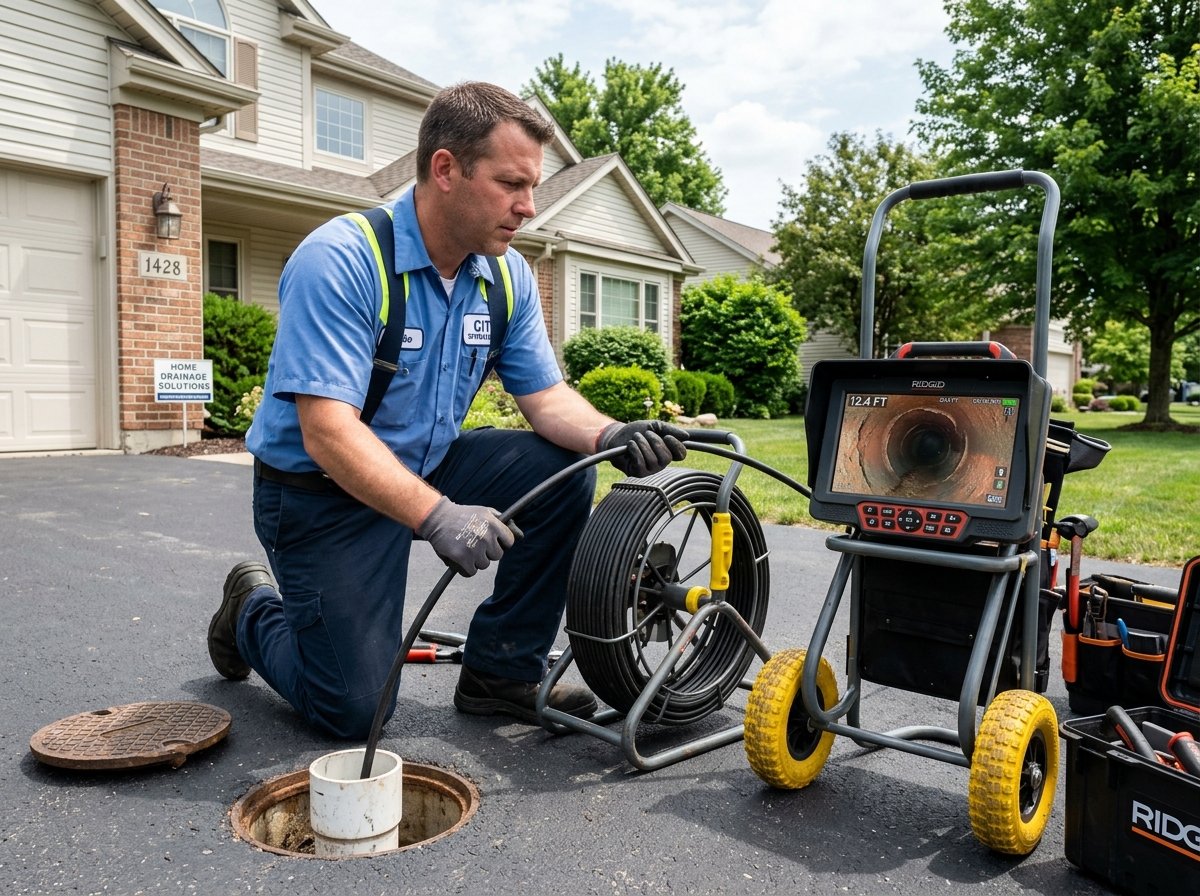
A technician traces the lateral to pinpoint fractures, root balls, and pitch defects, confirming whether CIPP or pipe bursting is the optimal fit.
The pipe is scoured clean with hydro jetting, the epoxy liner is inverted and cured in place, and a final camera scan certifies 50+ year flow.
Speak immediately with someone who understands trenchless lateral rehabilitation without waiting for web forms.
Save thousands on landscaping repairs, asphalt repaving, and sidewalk reconstruction with zero open trenches.
Connected with certified trenchless crews utilizing modern CIPP inversion tanks, robotic reinstatement cutters, and pipe burst rigs.
Understand camera diagnostic fees, trenchless feasibility criteria, and project timelines upfront before proceeding.
Connecting Lancaster City homeowners and surrounding boroughs across Lancaster County with experienced trenchless sewer rehabilitation contractors. Call to confirm dispatch availability for your neighborhood.
*Candidate service communities depend on current scheduling. Call (717) 750-0500 to confirm service for your address.
CALL TO CONFIRM SERVICE AVAILABILITY
Common questions about pipe lining, pipe bursting, and trenchless costs.
Cured-In-Place Pipe (CIPP) involves taking an epoxy-saturated seamless felt tube and inverting it through an existing cleanout into your damaged underground sewer line. Air or water pressure holds the liner firmly against the host pipe walls while it cures. Once hardened, it forms a jointless, root-proof pipe-within-a-pipe that lasts for decades.
Most pipes with cracks, small holes, root penetration, or bottom channel wear can be relined. However, if a pipe has suffered a total structural collapse where soil fills the line, or if the pipe has extreme reverse grade (back-pitched belly), pipe bursting or targeted excavation may be necessary. An initial CCTV camera survey confirms suitability.
While the initial plumbing line item for trenchless equipment is comparable to traditional excavation, the total project cost is almost always significantly lower. Traditional trenching requires thousands of dollars in extra costs to re-pour concrete driveways, rebuild stone retaining walls, replant lawns, and repave sidewalks that trenchless leaves completely untouched.
The cured epoxy liner is only about 3 to 4.5 millimeters thick, reducing diameter by less than 5%. However, because the interior surface of the epoxy liner is glass-smooth compared to jagged, pitted cast iron or rough clay, wastewater and solids actually flow faster with higher volume capacity than the original pipe.
Modern epoxy resin formulations are tested according to ASTM standards to have a minimum 50-year structural design life. Because the pipe is completely seamless, tree roots cannot find seams to enter, eliminating root intrusion for the life of the home.
Simply call Lancaster Rapid Plumbing at (717) 750-0500. We will gather information on your sewer lateral cleanouts and coordinate a qualified trenchless technician equipped with color CCTV camera inspection equipment to evaluate your line.
Have questions about your sewer lateral condition? Speak directly with us.
CALL NOW FOR TRENCHLESS ADVICECall Lancaster Rapid Plumbing now at (717) 750-0500 to discuss video surveys, no-dig epoxy relining, and estimates.