
Lawn Irrigation & Sprinkler Siphonage
Submerged sprinkler heads sitting in fertilizer puddles, animal waste, and pesticide runoff can siphon contaminated ground water into household faucets during a pressure drop.
Protecting your drinking water from toxic cross-connection contamination is required by Pennsylvania plumbing codes and local water authorities. Call Lancaster Rapid Plumbing at (717) 750-0500 to schedule annual certified backflow testing, RPZ valve installations, rebuilds, and municipal paperwork filing across Lancaster County.
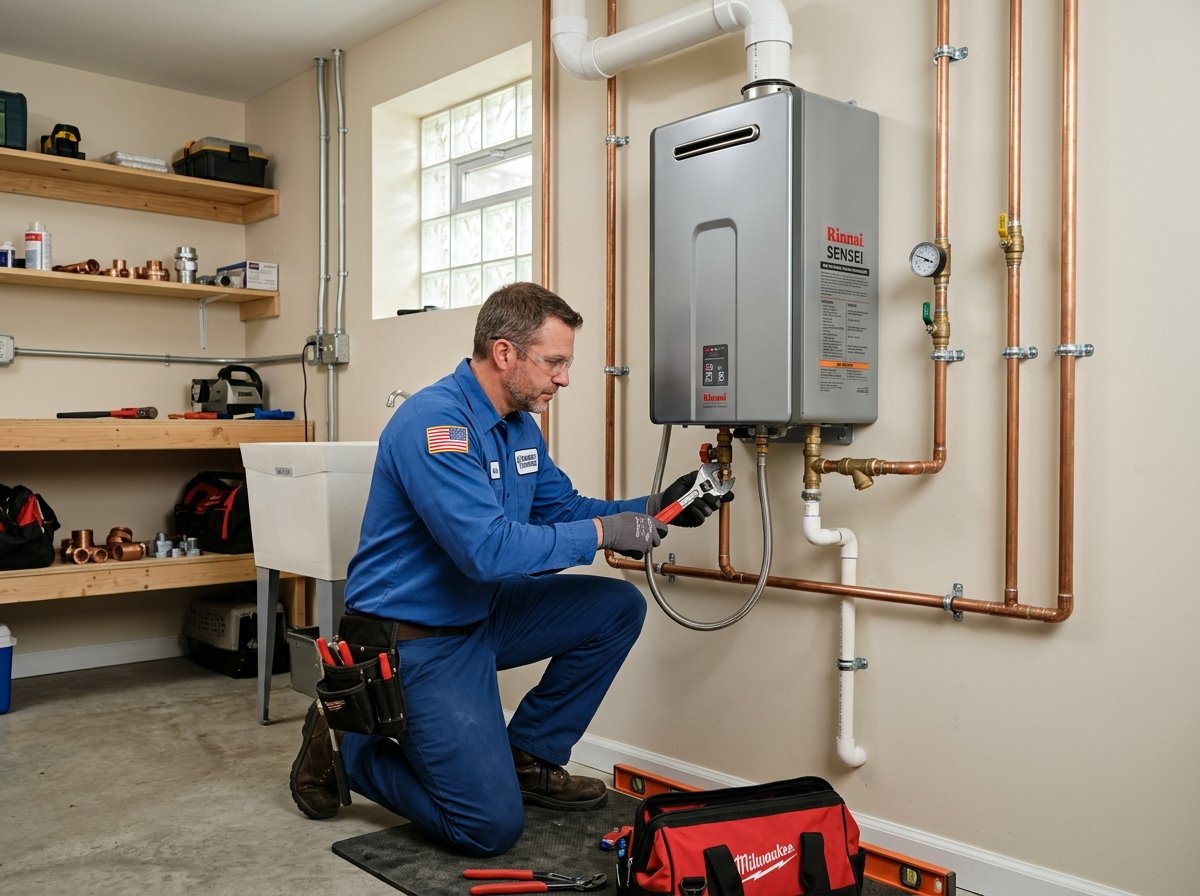
Backflow occurs when reverse pressure siphons non-potable liquids, fertilizers, chemicals, or bacteria backward into your clean drinking water supply.
Submerged sprinkler heads sitting in fertilizer puddles, animal waste, and pesticide runoff can siphon contaminated ground water into household faucets during a pressure drop.
Hydronic heating systems treated with toxic glycol antifreeze, corrosion inhibitors, and rust chemicals build steam pressure that can force chemicals past faulty check valves.
Commercial and multi-family fire suppression pipes sit dormant for years, harboring black iron sludge, rust scale, and anaerobic bacteria that must be isolated from drinking water.
When water main pressure plunges, backflow prevention assemblies protect your potable supply. If check valves fail or leak, our team provides prompt plumbing repair and valve rebuilds.
Dental operatory lines, commercial darkrooms, car wash chemical injectors, and beverage carbonators require RPZ containment to safeguard the community water grid.
Pennsylvania water authorities enforce strict annual testing deadlines. Failing to submit certified test reports risks municipal fines and potential water service termination.
Backflow prevention assemblies are mechanical valves containing springs, rubber disc check valves, and relief ports. Over months of exposure to Lancaster's hard water minerals, rubber discs become brittle and calcium scale prevents check valves from sealing tight against backpressure.
Certified backflow testing technicians dispatched through Lancaster Rapid Plumbing connect calibrated differential pressure gauges to the device's four test cocks. They measure the exact PSI differential across check valve #1, check valve #2, and the differential relief valve to verify the assembly holds tight against backpressure and back-siphonage before submitting official paperwork to your municipal utility.
Don't ignore leaking relief valves or expired utility compliance notices.
Water dumping or continuous trickling from an RPZ funnel indicates debris caught between the first check valve or a torn diaphragm.
The outdoor vacuum breaker bonnet spitting water when the sprinkler controller fires indicates a warped canopy or fatigued internal spring.
If water appears cloudy or smells of garden chemicals or boiler additives after a neighborhood main break, a backflow failure has occurred.
Fouled check valve springs stuck in a partially closed position choke down overall water flow to commercial equipment and restrooms.
A testing due-date letter from Lancaster City Water or local municipal authority requires certified testing within 30 to 60 days.
Failure to winterize irrigation backflow valves before Pennsylvania's first hard freeze cracks bronze valve bodies, requiring full replacement.
Certified testing, calibration, and paperwork submission simplified.
Call (717) 750-0500 to share your device type, serial number, water utility provider, and compliance deadline.
A certified technician connects calibrated test equipment, records differential PSI readings across check valves, and tests relief discharge.
Passing tests receive an official compliance tag, and signed test certification forms are submitted directly to your local water authority.
Speak directly with a coordinator who understands backflow testing requirements without waiting for web forms.
Technicians certified to test and rebuild commercial and residential containment backflow prevention devices.
We ensure signed compliance inspection reports are submitted promptly to municipal water authorities to prevent shutoffs.
If a valve fails test parameters, technicians carry rebuild kits to clean discs, replace springs, and re-test during the same visit.
Connecting properties across Lancaster City, Lititz, Ephrata, Columbia, and surrounding water authorities with certified backflow testing contractors. Explore our Lancaster County Service Areas directory or call to confirm service for your address.
*Candidate service communities depend on current scheduling. Call (717) 750-0500 to confirm service for your address.
CALL TO CONFIRM SERVICE AVAILABILITY
Common questions about backflow certification, testing procedures, and compliance deadlines.
The Pennsylvania Department of Environmental Protection (DEP) and local municipal water authorities require annual testing because backflow assemblies are mechanical devices containing moving parts and rubber seals. Wear, debris, and mineral scale can cause check valves to fail silently without visible symptoms, risking chemical or bacterial contamination of the public water supply.
A standard single-device backflow test typically takes 20 to 45 minutes. Water through that specific assembly must be briefly shut off for 10 to 20 minutes while the technician attaches the test gauge and takes pressure readings. For commercial facilities, testing can easily be coordinated during off-peak hours.
If a check valve fails to hold required pressure differential or the relief valve doesn't open properly, the technician can usually disassemble the valve on-site, flush mineral sediment from the body, and install a genuine manufacturer rebuild kit (new rubber discs, springs, and O-rings). The valve is then immediately re-tested and certified passing.
The certified backflow technician completes and signs the official cross-connection test report, submits a copy directly to your municipal water purveyor (e.g., City of Lancaster, Ephrata Borough, Columbia Water, etc.), and provides you with a physical and digital receipt for your compliance records.
In residential homes, irrigation vacuum breakers (PVBs) are mounted outdoors on an exterior wall at least 12 inches above the highest sprinkler head. In commercial buildings, RPZ and DCVA devices are usually located in the basement or mechanical utility room directly downstream of the municipal water meter, or inside a dedicated heated exterior backflow enclosure.
Call Lancaster Rapid Plumbing at (717) 750-0500. Have your compliance notice letter or device location handy, and we will coordinate an experienced, certified backflow technician to complete your testing and submission.
Have questions about backflow certification or utility deadlines? Speak directly with us.
CALL NOW FOR BACKFLOW COMPLIANCE ADVICECall Lancaster Rapid Plumbing now at (717) 750-0500 to schedule annual certified testing, repairs, and municipal submission.