Utility Red-Tagged Meters
If UGI has shut off your gas meter due to a detected line drop during a pressure test, a certified technician must pinpoint the leak, repair the pipe, and perform a certified test before restoration.
Natural gas and propane power Lancaster County water heaters, furnaces, cooktops, and dryers. Gas lines require certified handling, manometer pressure testing, and strict building code adherence. Call Lancaster Rapid Plumbing at (717) 750-0500 to discuss professional gas line repairs, replacements, and appliance installations.
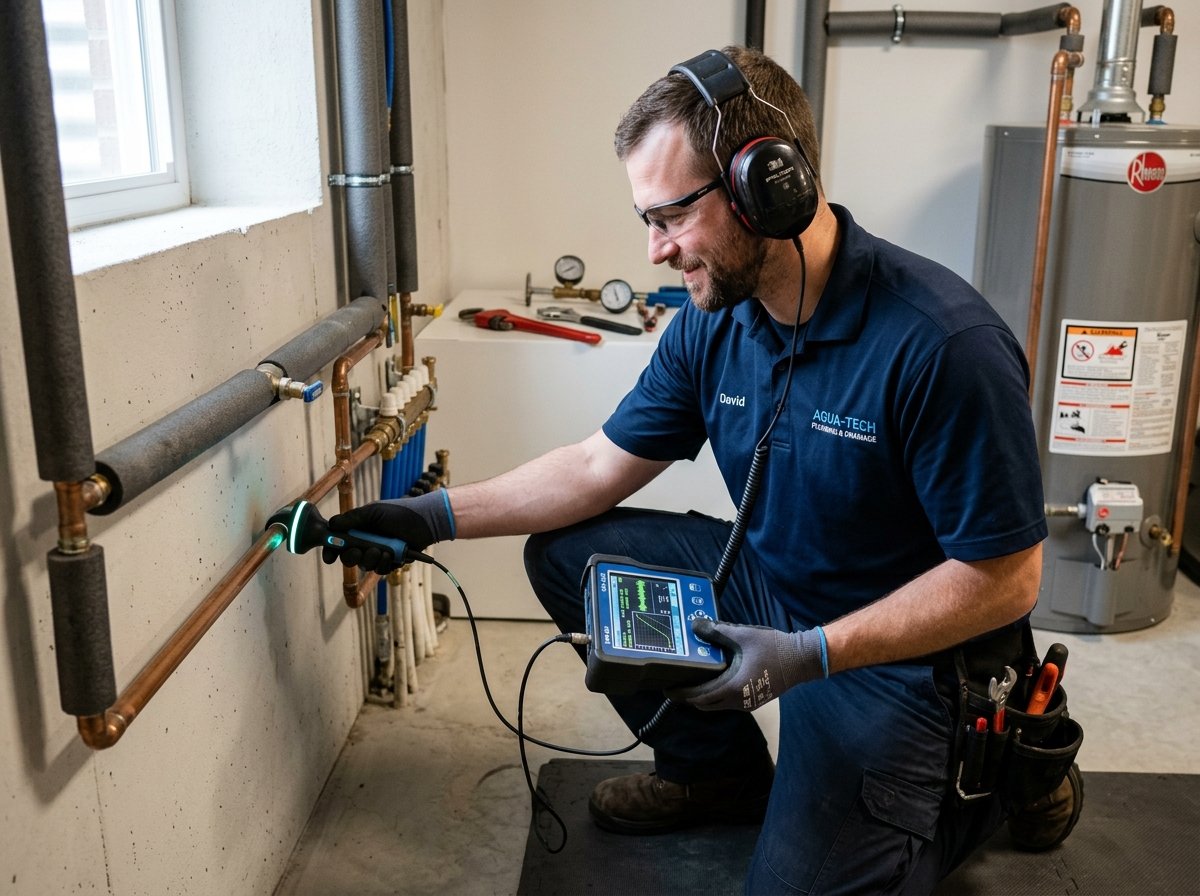
Whether replacing aged black iron pipe, upgrading an appliance, or fixing a tagged violation, we connect you with qualified contractors.
If UGI has shut off your gas meter due to a detected line drop during a pressure test, a certified technician must pinpoint the leak, repair the pipe, and perform a certified test before restoration.
Older basements and crawlspaces with damp conditions cause external rust pitting on threaded iron joints, compromising pipe wall integrity over decades.
Converting from electric to gas or installing a high-BTU tankless water heater, gas range, fireplace insert, or standby generator requires properly sized gas supply lines.
Seized, leaking, or outdated brass quarter-turn valves behind stoves and water heaters that cannot be safely actuated during maintenance.
Corrugated stainless steel appliance connectors that have kinked, rubbed against drywall, or reached their maximum safe service lifespan.
Extending gas piping out to outdoor fire pits, pool heaters, detached garages, or guest houses requires specialized yellow polyethylene pipe and anodeless risers.
Gas piping is subject to strict engineering rules. Pipes must be carefully sized according to total connected BTU demand, distance from the meter, and operating pressure. Undersized lines starve equipment like tankless water heaters and furnaces, while substandard fittings create dangerous fire and carbon monoxide risks.
Local gas piping technicians dispatched through Lancaster Rapid Plumbing adhere to the Pennsylvania Uniform Construction Code (UCC) and the International Fuel Gas Code. Every completed line repair or new appliance run is isolated, pressurized with air or inert nitrogen, and monitored on a digital manometer gauge to certify zero pressure drop before gas service is restored.
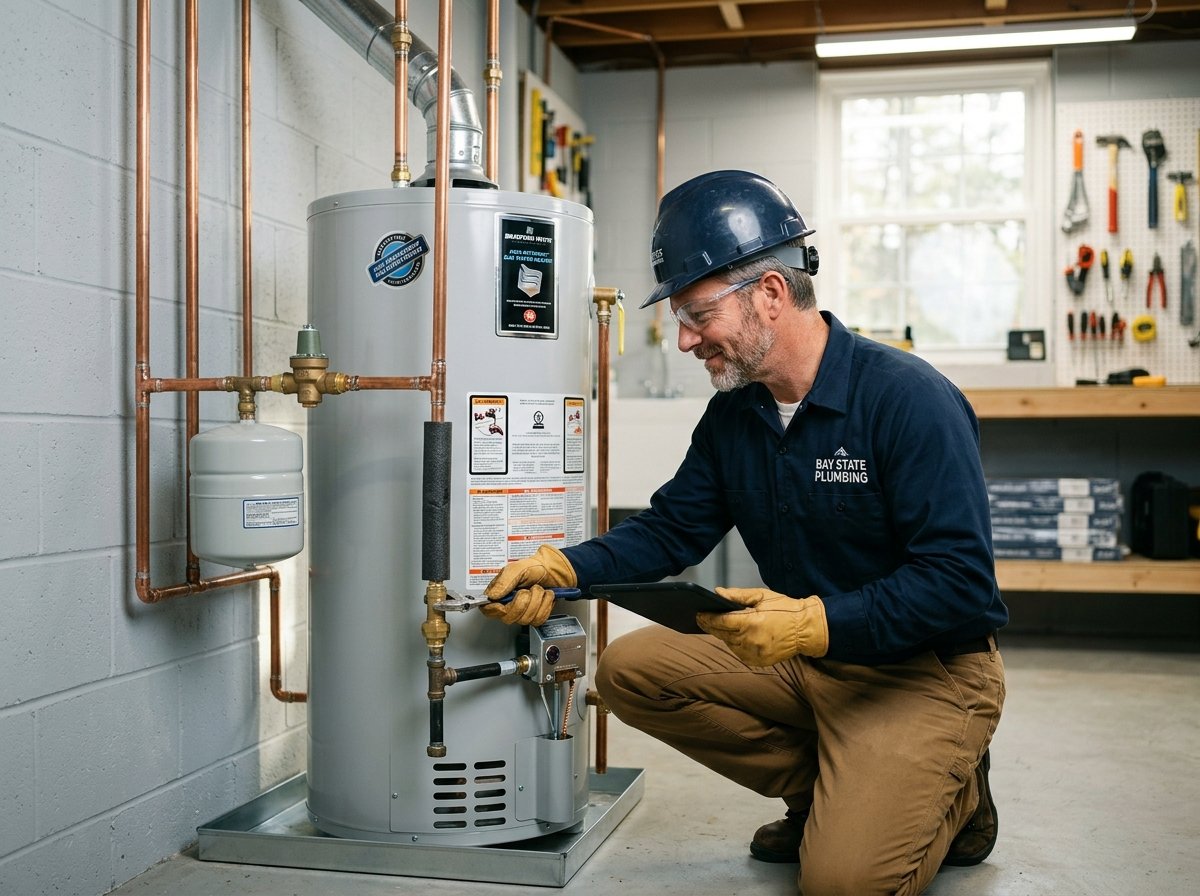
Recognizing gas hazards early protects your family, pets, and property from catastrophe.
Natural gas is naturally odorless; utilities inject mercaptan to create a distinct sulfur odor. If detected, exit outdoors immediately.
High-pressure gas escaping through a cracked joint, faulty valve packing, or pinhole produces a noticeable hissing sound.
A patch of dead grass, discolored shrubs, or bubbling wet dirt in your yard directly over an underground gas line indicates a subterranean leak.
Burners on water heaters and stoves should burn a crisp blue flame. Yellow or dancing orange flames point to incomplete combustion or pressure imbalance.
A sudden jump in your UGI gas bill when weather and heating patterns haven't changed suggests an undetected low-level line leak.
Nausea, dizziness, or fatigue while indoors that resolves upon stepping outside into fresh air is a sign of carbon monoxide or gas accumulation.
Transparent and safety-focused steps from your call to verified pressure restoration.
Call (717) 750-0500 from a safe location. Explain your appliance needs, red-tag situation, or pipe location in Lancaster County.
A qualified technician conducts a digital manometer pressure test to confirm line tightness and inspects pipe sizing and shutoff valves.
Damaged sections are replaced with approved steel or CSST piping, re-pressurized, and certified for utility gas meter restoration.
Speak immediately with someone who understands residential gas systems without waiting for web forms or callbacks.
Clear emergency guidance prioritizing human safety, evacuation protocols, and professional pressure testing.
Work coordinated through qualified contractors versed in local Lancaster municipal codes, UGI requirements, and IFGC standards.
Clear diagnostic guidance and scheduling availability explained upfront before work commences.
Connecting Lancaster City homeowners and surrounding boroughs across Lancaster County with qualified gas line specialists. Call to confirm dispatch availability for your street address.
*Candidate service communities depend on current technician availability. Call (717) 750-0500 to confirm service for your address.
CALL TO CONFIRM SERVICE AVAILABILITY
Common questions about gas pipe repairs and safety in Lancaster, PA.
No. DIY gas line repairs are extremely dangerous and violate Pennsylvania building codes and local municipal ordinances. Gas leaks present severe explosion, fire, and asphyxiation hazards. Only qualified, certified technicians equipped with calibrated manometer gauges and pipe-threading equipment should ever service gas piping.
Do not touch any light switches, electrical equipment, garage doors, or landline phones, as even a tiny spark can ignite gas vapors. Evacuate all occupants and pets immediately. Once safely outdoors and away from the home, dial 911 and UGI Utilities at 1-800-276-2722. After the scene is declared safe, call (717) 750-0500 for repair scheduling.
A pressure test involves sealing the gas piping system, attaching a digital or liquid manometer, and pumping the lines up with air to a certified pressure (typically 10 to 15 PSI for residential systems) for an established duration. If the gauge holds steady with zero drop, the line is certified airtight and code-compliant.
The International Fuel Gas Code permits black iron pipe (threaded Schedule 40), corrugated stainless steel tubing (CSST) with yellow or black protective jackets, and yellow medium-density polyethylene (MDPE) for exterior underground installations only. CSST requires specialized mechanical bonding to prevent lightning-induced pinhole punctures.
When utility service technicians perform routine checks or respond to an odor report and detect pressure loss or a damaged fitting on the customer's side of the meter, they must legally padlock the meter shut and affix a warning tag. Only a licensed contractor can repair the fault and submit the necessary pressure certification for meter unlocking.
Call Lancaster Rapid Plumbing at (717) 750-0500. We will gather details regarding your appliance model, existing piping configuration, or red-tag status and coordinate an experienced local gas piping contractor to assist you.
Have questions about your gas appliances or piping safety? Speak directly with us.
CALL NOW FOR GAS LINE ASSISTANCECall Lancaster Rapid Plumbing now at (717) 750-0500 to discuss gas line inspections, repairs, and appliance hookups.