No Hot Water at All
Failed electric heating elements, tripped circuit breakers, or extinguished gas pilot lights leave you without essential hot water.
Waking up to freezing showers, rumbling tank noises, rust-colored hot water, or pooling water under your unit? Call Lancaster Rapid Plumbing to discuss water heater diagnosis and repair options in Lancaster, PA.
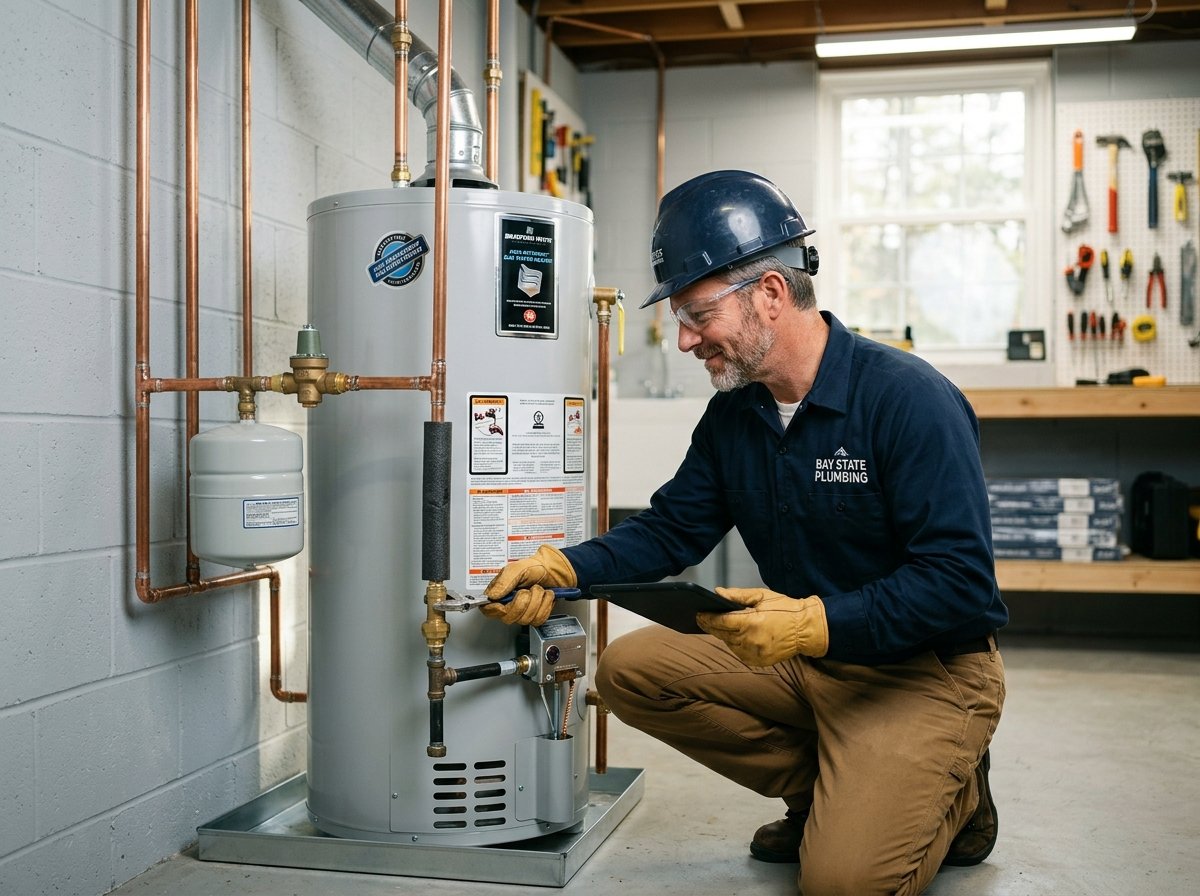
Common residential plumbing challenges homeowners encounter across Lancaster, PA.
Failed electric heating elements, tripped circuit breakers, or extinguished gas pilot lights leave you without essential hot water.
Water that starts warm then turns chilly within minutes often signals a broken upper thermostat or cracked dip tube.
Heavy mineral sediment trapped at the bottom of the tank traps boiling water underneath, producing loud popping or clunking noises.
Puddles forming beneath the heater indicate internal tank corrosion, failed drain valves, or loose pipe fittings.
Discolored brown or reddish hot water indicates an exhausted sacrificial anode rod or internal tank lining deterioration.
A dripping or discharging T&P (temperature and pressure) relief valve indicates dangerous internal pressure or valve failure.
A reliable supply of hot water is indispensable for cooking, cleaning, and daily showers. When water heaters fail, the cause is often an electrical component, a worn thermostat, a faulty thermocouple, or sediment buildup common in Central Pennsylvania's mineral-rich water.
When you call Lancaster Rapid Plumbing, you can describe the specific symptoms your heater is displaying. We help you understand whether a targeted component repair — such as swapping a heating element or replacing a pressure relief valve — will restore your hot water safely.
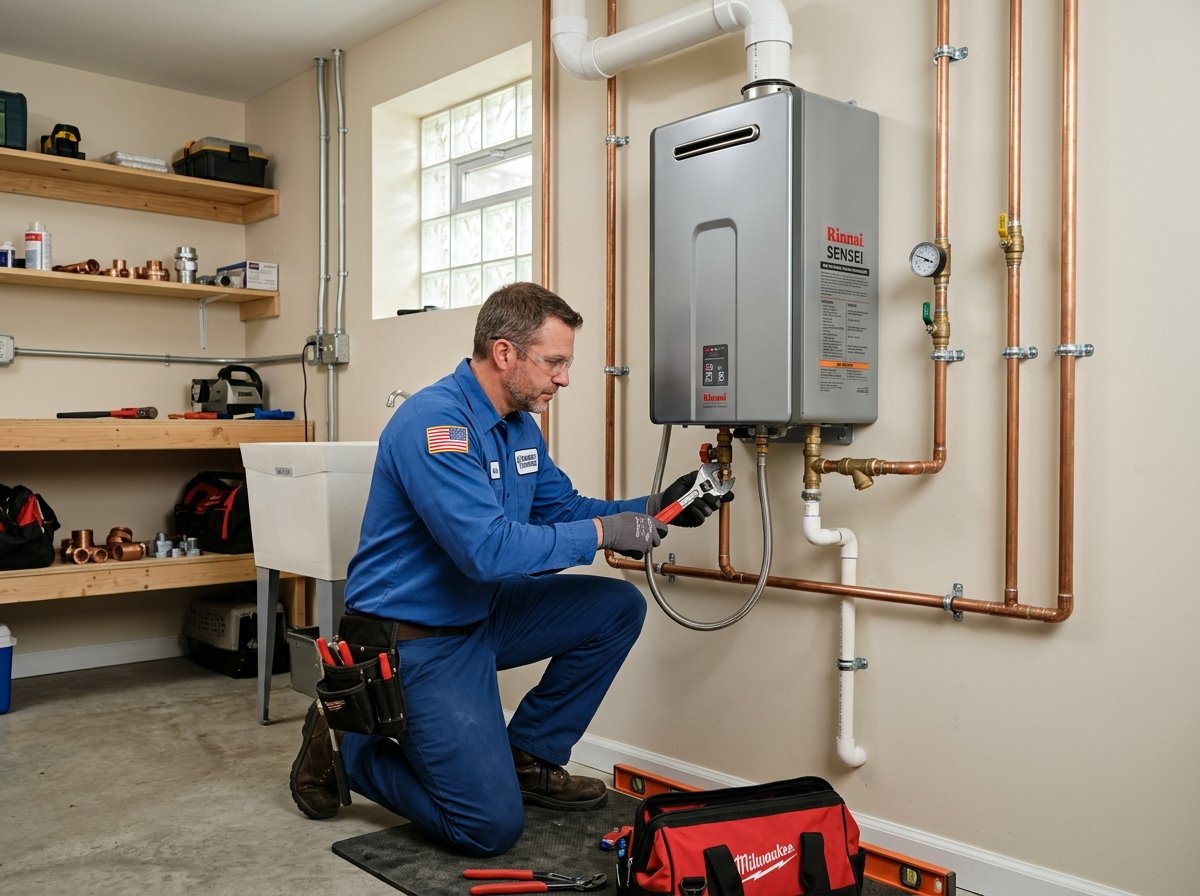
Don't ignore subtle warning symptoms before they cause costly structural water damage.
Showers turning cold in half the normal time indicates one of your heating elements or gas burners has failed.
Popping or knocking noises from inside the tank indicate hardened sediment trapping steam at the tank bottom.
Corrosion stains or slow drips around pipe connections can quickly escalate into active water leaks.
Water that swings abruptly from scalding hot to lukewarm points to a malfunctioning thermostat or internal sensor.
A sulfur smell in your hot water occurs when bacteria react with an aging magnesium sacrificial anode rod.
A gas pilot light that refuses to stay lit indicates a dirty thermocouple or ventilation draft issue.
We keep everything direct and transparent from the moment you call.
Tap the Call Now button to speak directly with our team. No online forms, waiting, or delays.
Describe the symptoms, fixture locations, and your home address in Lancaster, PA.
Discuss service availability, diagnostic procedures, and next steps so you can proceed with confidence.
Speak immediately with someone who understands residential plumbing systems without filling out web forms.
Dedicated assistance tailored to homes, water quality conditions, and building types in Lancaster County.
In-depth discussions about your exact plumbing issue rather than generic one-size-fits-all advice.
Get clear details on technician availability and repair expectations before making any commitments.
We specialize in connecting residents across the city of Lancaster and surrounding communities with qualified residential plumbing assistance. Call to confirm availability for your street and neighborhood.
*Candidate service communities depend on current scheduling and technician availability. Call to confirm service for your address.
CALL TO CONFIRM SERVICE AVAILABILITY
Common questions about water heater repair assistance in Lancaster, PA.
Lukewarm water on an electric unit usually means the lower heating element or its thermostat has failed, leaving only the upper element working. On gas units, it often indicates burner orifice clogging or thermostat calibration issues.
If the leak is coming from an external fitting, pipe union, or the drain valve, it can typically be repaired. However, if water is leaking from the steel tank cylinder itself due to internal corrosion, the heater must be replaced.
Standard tank water heaters typically last between 8 and 12 years. Regular annual maintenance, such as flushing sediment and replacing the anode rod, helps maximize operating life.
In Lancaster County, hard water minerals precipitate out of the water and settle as a dense scale layer on the tank floor. Water trapped beneath this sediment boils and pops as it turns to steam.
Yes. Call us to describe errors, mineral scale warning codes, or inconsistent temperatures with residential tankless water heaters.
Call our phone number directly to share your heater make, age, and observed symptoms so we can provide clear diagnostic and service cost parameters.
Have a question about your plumbing not listed here? Talk with us directly.
CALL NOW FOR ANSWERSCall Lancaster Rapid Plumbing now to discuss your plumbing problem and available service options.