Constantly Running Toilets
A worn flapper or misadjusted fill valve allows water to trickle down the overflow tube continuously, wasting hundreds of gallons daily.
Dealing with a toilet that runs non-stop, leaks around the base, has a weak flush, or clogs constantly? Call Lancaster Rapid Plumbing to discuss toilet repair and fixture troubleshooting in Lancaster, Pennsylvania.
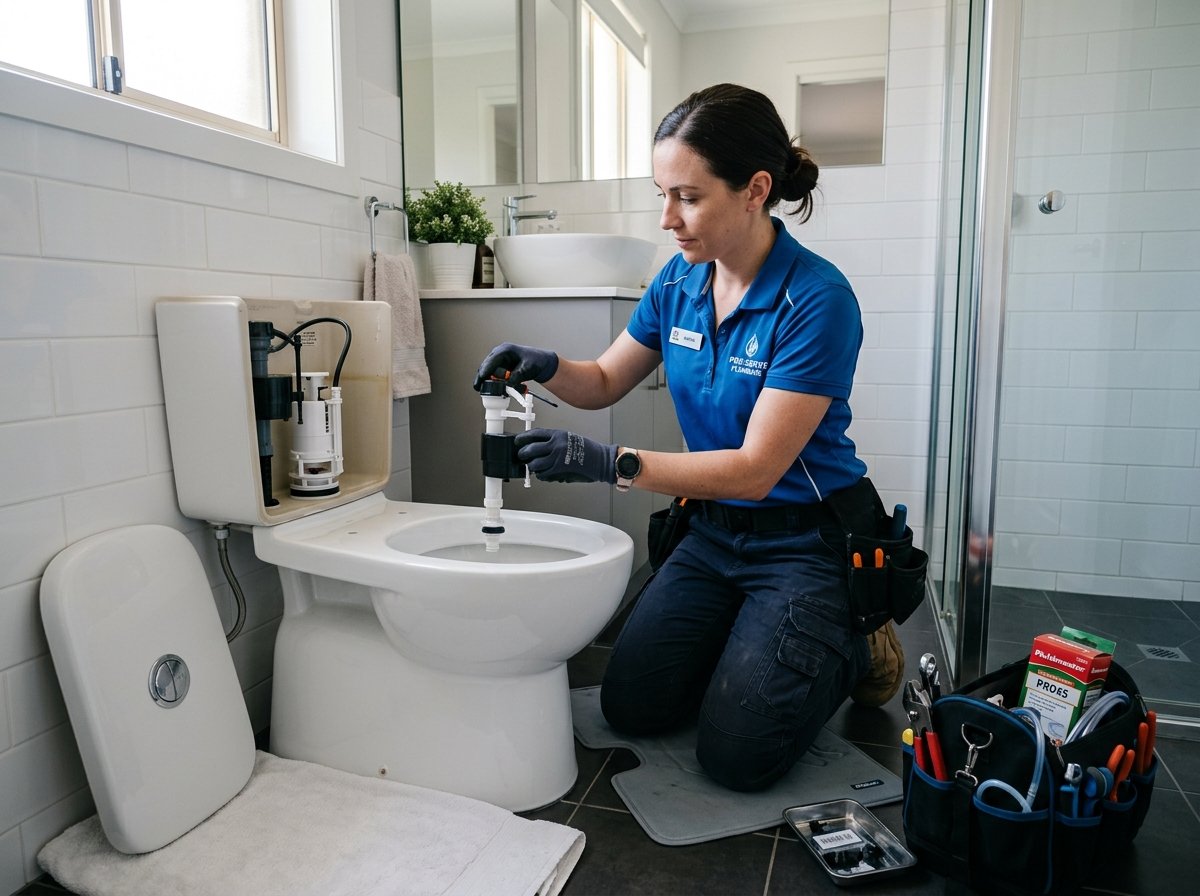
Common residential plumbing challenges homeowners encounter across Lancaster, PA.
A worn flapper or misadjusted fill valve allows water to trickle down the overflow tube continuously, wasting hundreds of gallons daily.
Water pooling on the floor around the toilet base indicates a degraded wax ring seal or cracked closet flange beneath the porcelain.
Mineral deposits clogging the rim jets or siphon hole prevent water from entering the bowl fast enough to create a strong flush.
A toilet that rocks when sat upon strains the wax seal and closet bolts, eventually causing leaks into the subfloor below.
Hairline cracks in porcelain can suddenly split under water pressure, causing catastrophic bathroom flooding.
Toilets that clog regularly without excessive paper point to partial obstructions in the trapway or waste line restriction.
A malfunctioning toilet is one of the most frustrating inconveniences in any home. Even a minor leak around the floor flange can quietly rot bathroom subflooring, loosen floor tiles, and seep into lower-level ceilings.
When you call Lancaster Rapid Plumbing, you can describe exactly what your toilet is doing. We discuss repair options — from replacing internal tank components to resetting the bowl with a fresh wax ring and reinforced brass flange bolts.
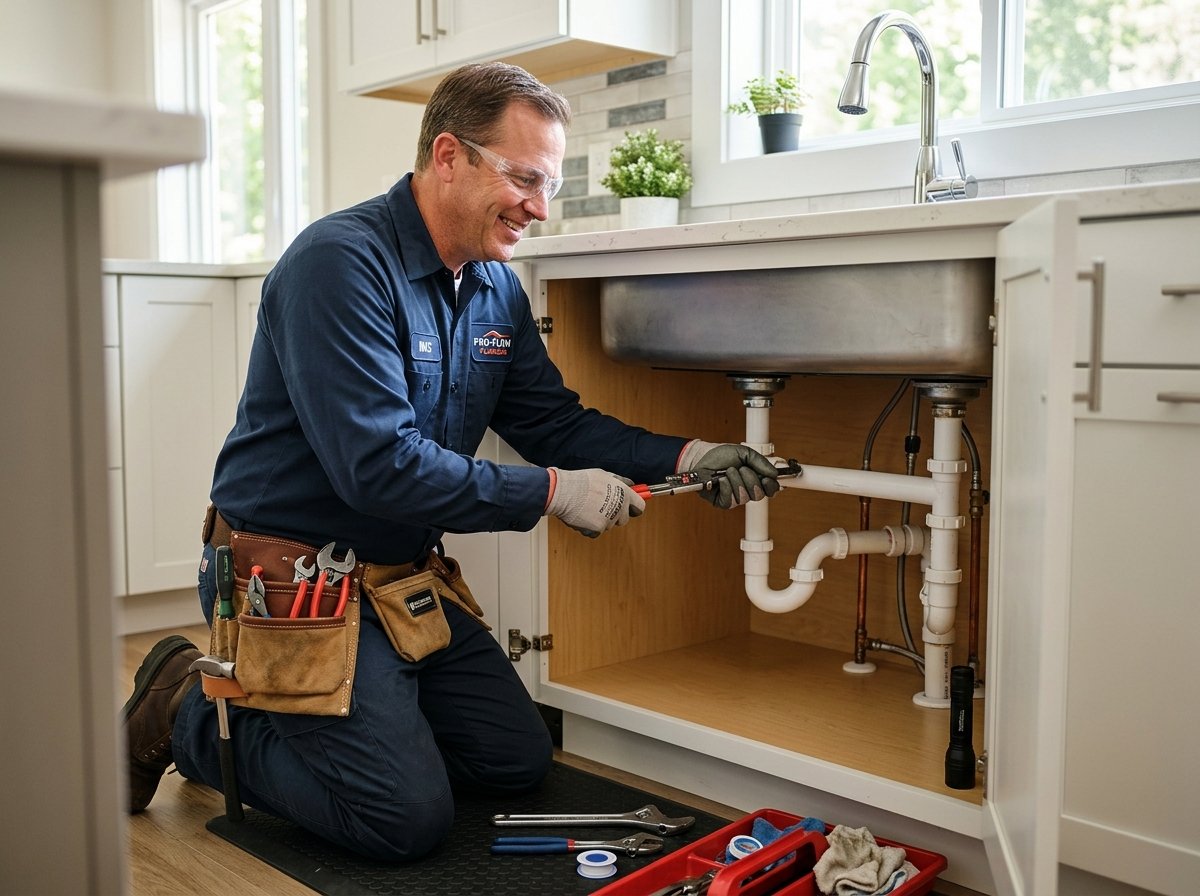
Don't ignore subtle warning symptoms before they cause costly structural water damage.
Hearing your toilet tank refill spontaneously when no one has used it means water is slowly leaking past the flapper.
Floorboards that flex or feel soft around the base indicate water has been seeping into the subfloor for months.
A persistent sewage smell in your bathroom usually means the wax ring seal between the toilet and drain pipe has broken.
If you must hold the flush lever down until the cycle finishes, the flapper chain or flush mechanism is worn or misaligned.
A constant high-pitched hissing sound indicates that the fill valve is failing to shut off completely.
Green oxidation or rust on the flexible braided water line or valve beneath the toilet increases the risk of rupture.
We keep everything direct and transparent from the moment you call.
Tap the Call Now button to speak directly with our team. No online forms, waiting, or delays.
Describe the symptoms, fixture locations, and your home address in Lancaster, PA.
Discuss service availability, diagnostic procedures, and next steps so you can proceed with confidence.
Speak immediately with someone who understands residential plumbing systems without filling out web forms.
Dedicated assistance tailored to homes, water quality conditions, and building types in Lancaster County.
In-depth discussions about your exact plumbing issue rather than generic one-size-fits-all advice.
Get clear details on technician availability and repair expectations before making any commitments.
We specialize in connecting residents across the city of Lancaster and surrounding communities with qualified residential plumbing assistance. Call to confirm availability for your street and neighborhood.
*Candidate service communities depend on current scheduling and technician availability. Call to confirm service for your address.
CALL TO CONFIRM SERVICE AVAILABILITY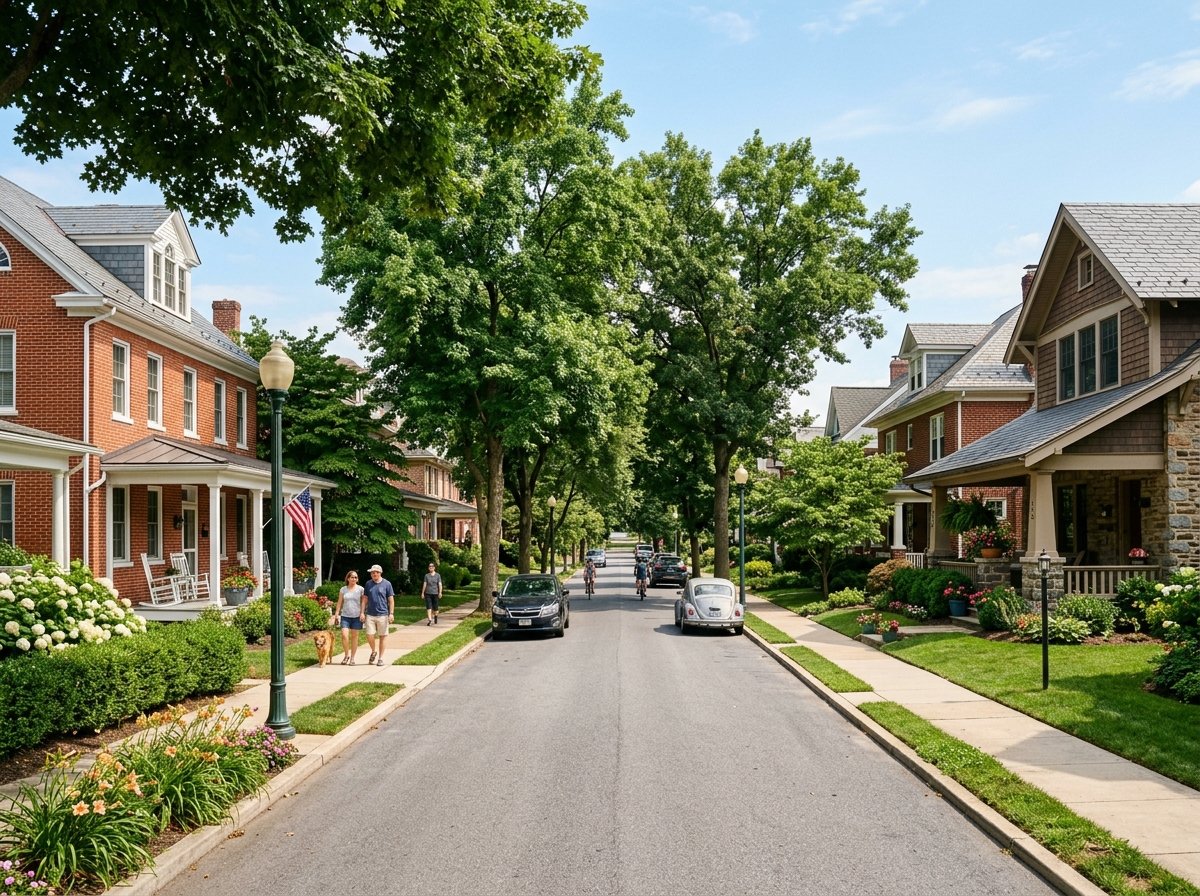
Common questions about toilet repair assistance in Lancaster, PA.
A continuously running toilet is almost always caused by a deteriorating flapper that no longer seals against the flush valve, or a fill valve set too high that allows water to spill into the overflow tube.
Yes. Water seeping past the wax ring contains bacteria and will rot the wooden subfloor and ceiling joists underneath, potentially leading to costly structural repairs.
No. Porcelain under water pressure cannot be safely glued or epoxied. Hairline cracks will continue to expand and can shatter unexpectedly. A cracked tank or bowl must be replaced.
A rocking toilet is usually caused by loose or corroded closet bolts, an uneven tile floor, or a broken closet flange beneath the bowl. Shimming the toilet and replacing the flange restores stability.
If your toilet is older than 20 years, uses 3.5+ gallons per flush, clogs frequently due to narrow trapways, or has porcelain cracks, installing a modern 1.28 GPF high-efficiency toilet is often the smarter choice.
Simply tap our Call Now button. You can explain your symptoms and confirm service availability for your home address.
Have a question about your plumbing not listed here? Talk with us directly.
CALL NOW FOR ANSWERSCall Lancaster Rapid Plumbing now to discuss your plumbing problem and available service options.