Why Pipes Freeze During Cold Weather
Pennsylvania winters routinely deliver sustained sub-freezing temperatures, blustery polar vortex dips, and freezing wind gusts. When ambient temperatures drop below 20°F (-7°C) for several consecutive hours, static water inside household water supply lines begins to crystallize and freeze.
Unlike most other substances, water expands by approximately 9% in volume when it transforms from liquid into solid ice. As an ice blockage expands within a rigid copper, galvanized steel, or PVC pipe, it creates immense hydraulic pressure between the blockage and downstream closed faucets. Contrary to popular belief, pipes rarely rupture at the exact point of freezing; rather, the trapped water between the ice plug and the closed faucet is compressed until hydrostatic pressure exceeds the tensile strength of the pipe wall, tearing a catastrophic fracture in the line.
Which Household Pipes Are Most Vulnerable?
Certain sections of home plumbing are far more susceptible to freezing due to their proximity to uninsulated structural envelopes and exterior cold air drafts. In Lancaster County homes—ranging from historic stone and brick farmhouses to split-level suburban residences—vulnerable piping locations commonly include:
- Outdoor hose bibs and sillcocks: Spigots protruding through exterior walls that remain exposed directly to sub-freezing winds.
- Unconditioned crawlspaces and basements: Supply lines running beneath floorboards or through stone foundations lacking continuous thermal insulation.
- Exterior exterior-wall piping: Kitchen sinks, bathroom vanities, and shower risers routed through exterior-facing walls with inadequate fiberglass batting.
- Attic and garage plumbing: Fire sprinkler pipes or utility sink lines routed through unheated garages or vented attic spaces.
- Water meter assemblies: Water service entry points located near drafty basement windows or cold concrete floor perimeters.
Insulating Exposed Pipes
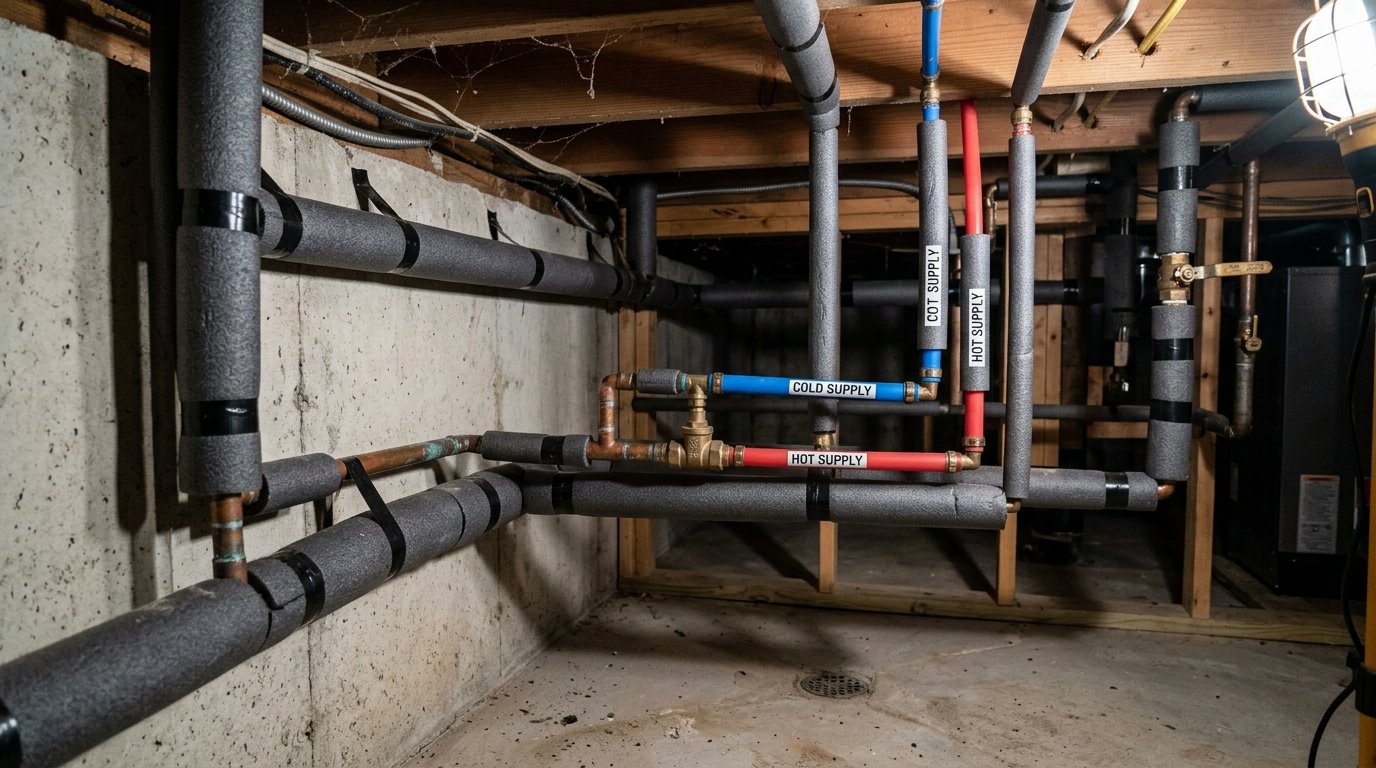
Thermal pipe insulation is one of the most cost-effective defensive measures a homeowner can implement before freezing weather arrives. Pipe insulation slows heat transfer, keeping the standing water inside lines above the freezing threshold during brief temperature drops.
Common insulation methods include:
- Pre-slit polyethylene foam sleeves: Inexpensive foam tubes that slip over 1/2-inch and 3/4-inch copper or PEX supply lines, secured with exterior-grade duct tape or heavy zip ties.
- Fiberglass pipe wrap with vapor barrier: Ideal for basement and crawlspace lines where higher thermal resistance (R-value) is required.
- Self-regulating electric heat cable (heat tape): Approved electric heating cables that wrap around vulnerable piping runs to maintain above-freezing pipe surface temperatures. Note: Always follow manufacturer guidelines and UL listings; never overlap heat tape across itself.
Protecting Outdoor Faucets
Outdoor spigots (sillcocks) represent the single most common cause of early winter pipe bursts across Pennsylvania. When an exterior garden hose remains attached to a spigot in sub-freezing weather, water cannot drain out of the faucet barrel, freezing backward into the home's heated interior perimeter.
Follow these essential outdoor winterization steps:
- Disconnect and drain all garden hoses: Disconnect all hoses, splitters, and irrigation attachments before the first autumn freeze, draining and storing hoses indoors.
- Shut off interior isolation valves: Locate the dedicated indoor shutoff valve serving each outdoor sillcock (usually situated in the basement ceiling joists), close it firmly, open the outdoor spigot to drain residual water, and open the small bleeder cap on the indoor valve to catch leftover drainage in a bucket.
- Install insulated spigot covers: Affix insulated foam faucet jackets over all exterior spigots to provide an additional layer of protection against freezing wind drafts.
Keeping Indoor Areas Warm
Maintaining balanced warmth throughout the home ensures that peripheral pipes within exterior walls do not reach the freezing threshold:
- Maintain consistent thermostat temperatures: Resist the urge to aggressively lower the thermostat at night during severe cold snaps. Maintaining a steady 68°F throughout the house keeps wall cavities warmer than fluctuating setbacks.
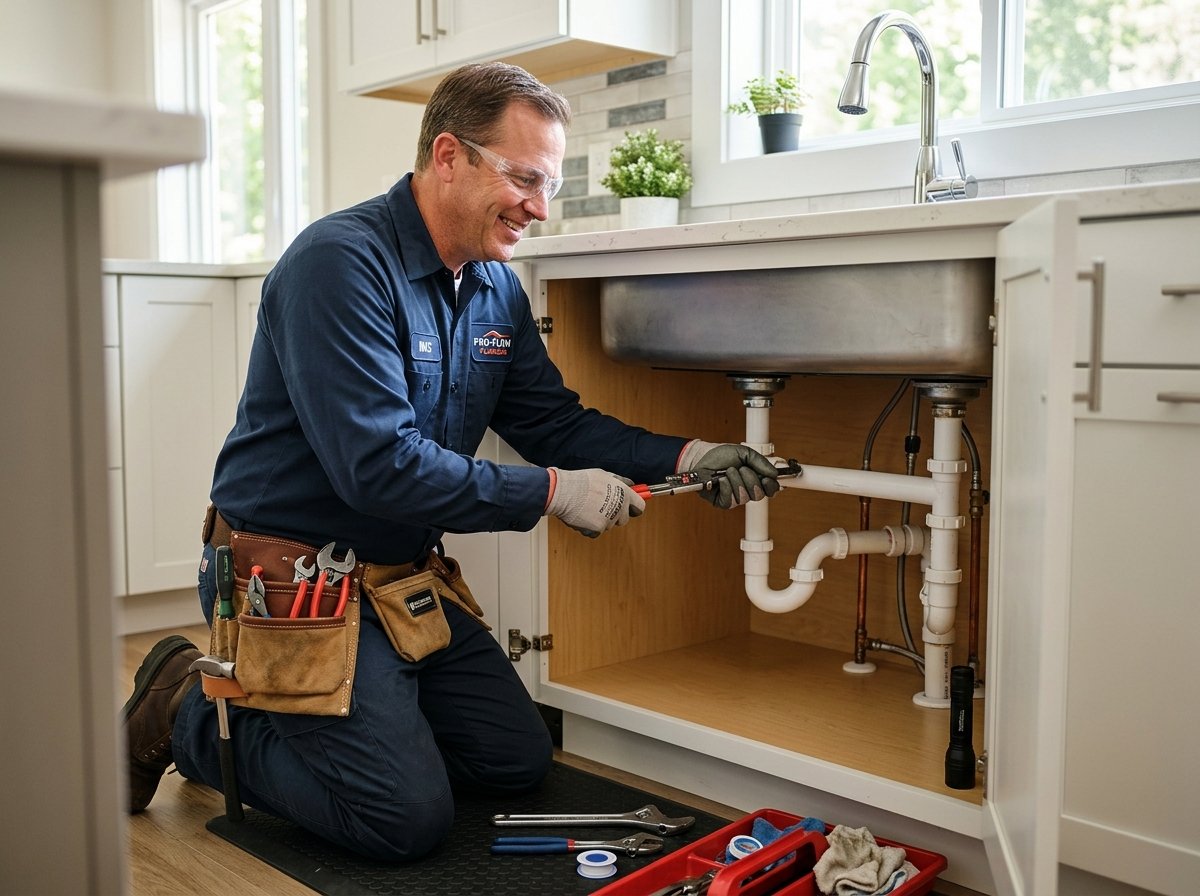
- Open vanity and sink cabinet doors: Opening kitchen and bathroom cabinet doors allows ambient room heat from the furnace or heat pump to circulate freely around uninsulated trap and supply connections located along outer walls.
- Let faucets drip during severe freeze alerts: When outdoor temperatures plunge into the teens or single digits, allowing a steady trickle of cold water from the furthest faucet from your water main relieves hydrostatic line pressure and keeps moving water circulating.
- Seal exterior drafts: Caulk exterior masonry gaps, drafty basement hopper windows, and sill plate penetrations where cold outdoor breezes can hit exposed copper pipes.
Protecting Plumbing During Travel
Homeowners traveling during winter holidays or vacations face significant freeze risks if furnace failures or severe polar dips occur while the home is unoccupied. The City of Lancaster Bureau of Water provides helpful public guidance on winterizing vacant or unattended properties (City of Lancaster Water Bureau Guide).
Key safety precautions when leaving home during winter:
- Never turn the heating system completely off: Set your central thermostat no lower than 55°F (13°C) to guarantee adequate heat in wall cavities.
- Shut off the main water supply valve: If you are traveling for more than a few days, turn off the interior main water shutoff valve and open faucets to depressurize lines. If a pipe freezes while you are away, shutting the main valve prevents hundreds of gallons of pressurized water from flooding your home upon thawing.
- Have a trusted neighbor or caretaker inspect the house: Arrange for someone to verify that heating systems are functioning properly during severe weather events.
What to Do if a Pipe Freezes
If you turn on a faucet during freezing weather and only a trickle or no water emerges, you likely have a frozen pipe. Immediate, cautious action can thaw the line before it ruptures:
- Keep the faucet open: As the ice plug begins to melt, water flow will help melt surrounding ice and relieve line pressure.
- Locate the suspected frozen section: Follow supply pipes from the non-functioning fixture into basements, crawlspaces, or outer walls. Look for frost on the outside of pipes or slight bulging.
- Apply gentle, indirect heat: Use a handheld electric hair dryer, portable space heater positioned safely away from combustibles, or warm towels soaked in hot water wrapped around the pipe. Begin heating from the faucet end of the freeze and work backward toward the blockage.
Safety Warning: Never Use Open Flames to Thaw Pipes
CRITICAL SAFETY RULE: Never use blowtorches, propane heaters, charcoal burners, kerosene heaters, or open flames to thaw frozen plumbing lines. Open flames pose an extreme fire hazard to surrounding framing, insulation, and joists, and rapid intense heat can cause trapped steam to explode the pipe wall. Always use safe, indirect electric heat sources or call a professional plumber.
What to Do if a Pipe Bursts
If a frozen pipe ruptures, rapid intervention minimizes catastrophic structural damage and mold development:
- Immediately shut off the main water supply valve: Locate your home's main water shutoff (typically where the municipal line enters the basement foundation or near the well pressure tank) and turn the handle clockwise until water flow ceases entirely.
- Turn off electrical power if water is present: If water is leaking near electrical outlets, light fixtures, or service panels, shut off the affected circuit breakers immediately from a completely dry location. Never step into standing water near electrical equipment.
- Open household faucets: Drain remaining water out of the system through lowest-level faucets into tubs or sinks.
- Call for urgent plumbing repair: Contact our team for prompt emergency plumbing assistance and professional pipe repair to replace ruptured pipe segments and restore water safely.
When to Call for Pipe Repair
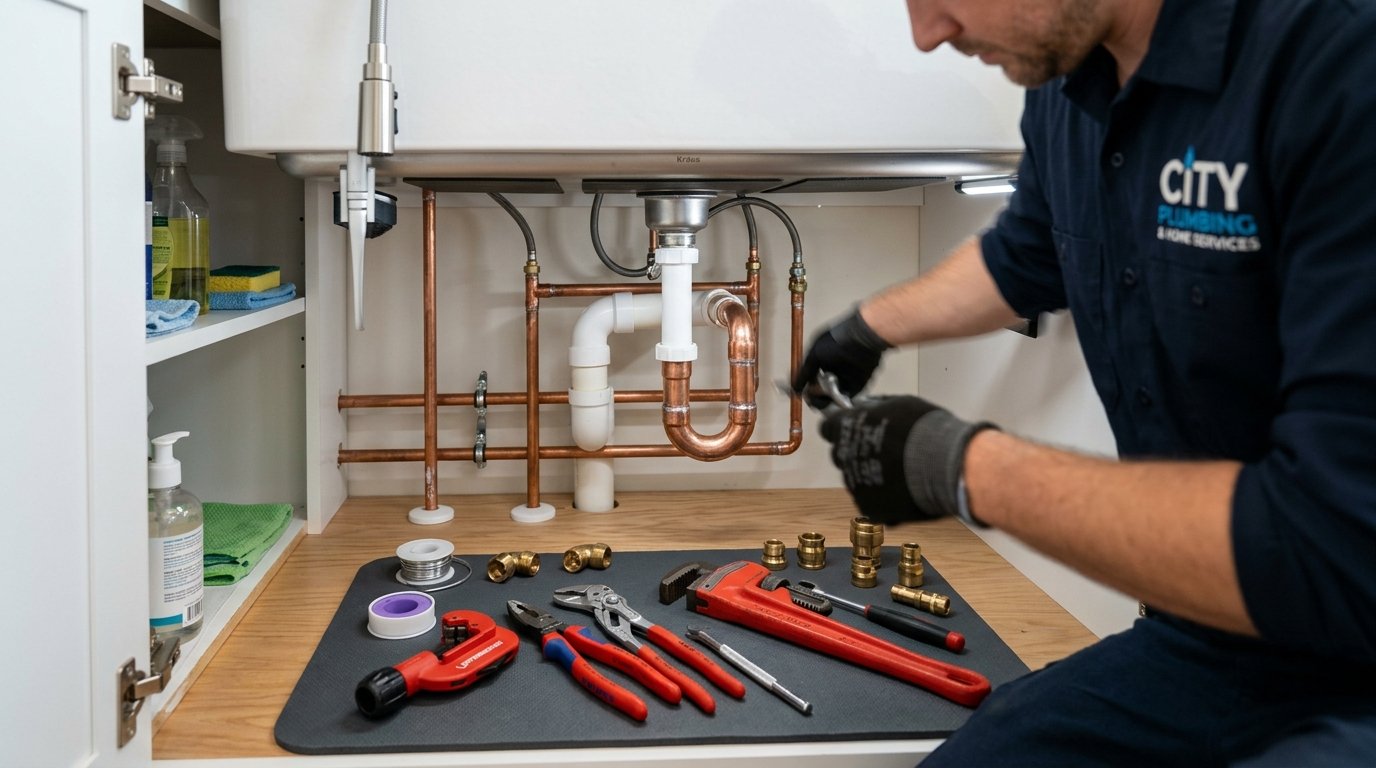
While preventative insulation and cabinet opening are simple DIY homeowner tasks, you should promptly contact a qualified plumbing technician when:
- You cannot locate the frozen section of pipe within enclosed ceiling or wall cavities.
- You see physical bulging, seam splits, or visible cracks in copper or PVC pipe lines.
- Gentle thawing attempts do not restore water flow within 30 to 45 minutes.
- A pipe has burst, causing active leakage or water pooling across floors.
- PEX lines or polybutylene piping have become brittle and unmanageable due to thermal shock.
Frozen Pipe Prevention Checklist
Use this seasonal checklist to inspect and prepare your home plumbing before severe Pennsylvania winter weather arrives:
| Plumbing Area | Winterization Task | Timing | Risk If Neglected |
|---|---|---|---|
| Outdoor Hose Bibs | Disconnect hoses, shut indoor isolation valve, open exterior spigot to drain. | Mid-to-late Autumn | Severe rupture behind interior drywall when temperatures drop below 32°F. |
| Unheated Basements / Crawlspaces | Install pre-slit foam insulation sleeves on all exposed cold and hot lines. | Before First Freeze | Frozen supply lines cutting off water service to upper floors. |
| Kitchen & Bath Cabinets | Open doors to let warm room air circulate during sub-20°F cold waves. | During Cold Waves | Ice plugs in exterior wall supply lines to sinks and vanities. |
| Home Heating Controls | Keep thermostat set to at least 55°F continuously; avoid deep setbacks. | Entire Winter Season | Whole-house freeze-up during sudden polar vortex temperatures. |
| Water Main Valve | Test and label main shutoff valve so all family members can find it in an emergency. | Annual Checkup | Inability to stop flooding quickly if an unexpected burst occurs. |
Winter Plumbing FAQs
At what temperature do pipes freeze in Pennsylvania?
Pipes in uninsulated areas typically begin freezing when outdoor temperatures drop to 20°F (-7°C) or below for at least half a day. However, pipes exposed to strong cold drafts or uninsulated exterior crawlspaces can freeze at slightly higher temperatures if wind penetrates directly onto the pipe surfaces.
Does letting a faucet drip really prevent pipes from freezing?
Yes. Allowing a small trickle of cold water from faucets connected to exterior walls keeps water moving through the pipe, which resists freezing. Crucially, an open faucet provides an escape route for hydraulic pressure buildup between an ice plug and the fixture, preventing line ruptures even if ice begins to form.
Can PEX pipes freeze and burst like copper pipes?
PEX (cross-linked polyethylene) is flexible and can expand slightly when ice forms inside, making it more freeze-resistant than rigid copper or PVC pipes. However, PEX is not freeze-proof. Extended severe freezing can cause brass fittings, crimp rings, or the tubing itself to split, causing major water damage upon thawing.
How do I safely thaw a frozen pipe inside an interior wall?
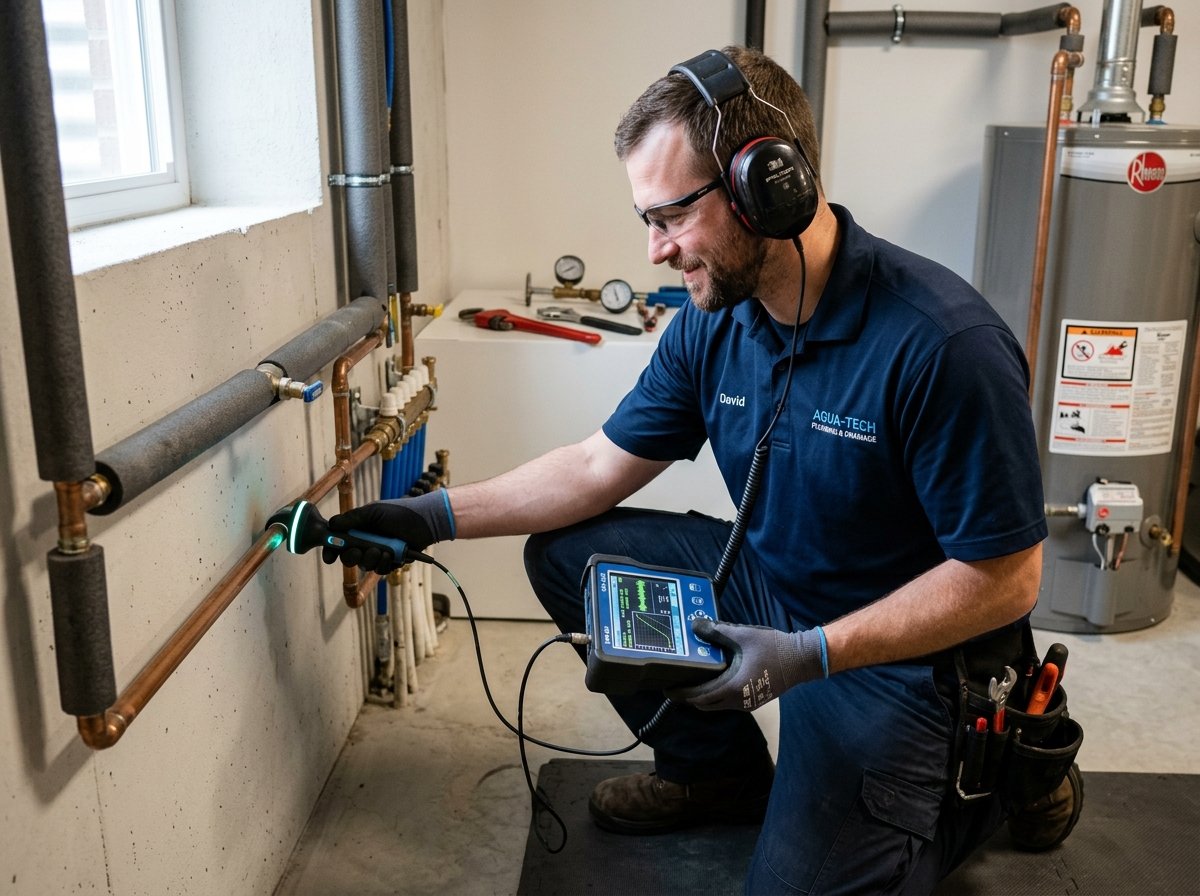
If the frozen line is inside a wall cavity, turn up your central home thermostat to 75°F and open all nearby interior doors and cabinet panels. You can also place an infrared heat lamp or space heater facing the wall section from a safe distance. If water flow is not restored promptly, call a plumbing technician equipped with specialized diagnostic tools.
What is the fastest way to stop water if a pipe bursts?
The fastest way is to immediately close your home's main water shutoff valve. If you have a ball valve, turn the lever 90 degrees until it is perpendicular to the pipe. If you have an older gate valve, rotate the wheel clockwise until it stops turning. Familiarize every member of your household with this valve before winter arrives.
Protect Your Home This Winter
Taking preventative steps in the autumn and during severe cold spells saves thousands of dollars in water mitigation and restoration expenses. If you encounter frozen lines, suspect a cracked pipe, or need fast professional assistance, our local team is ready to connect you with knowledgeable plumbing specialists throughout Lancaster, PA.